MetroidMania #-1: Is Vampire (1986) A Metroidvania?
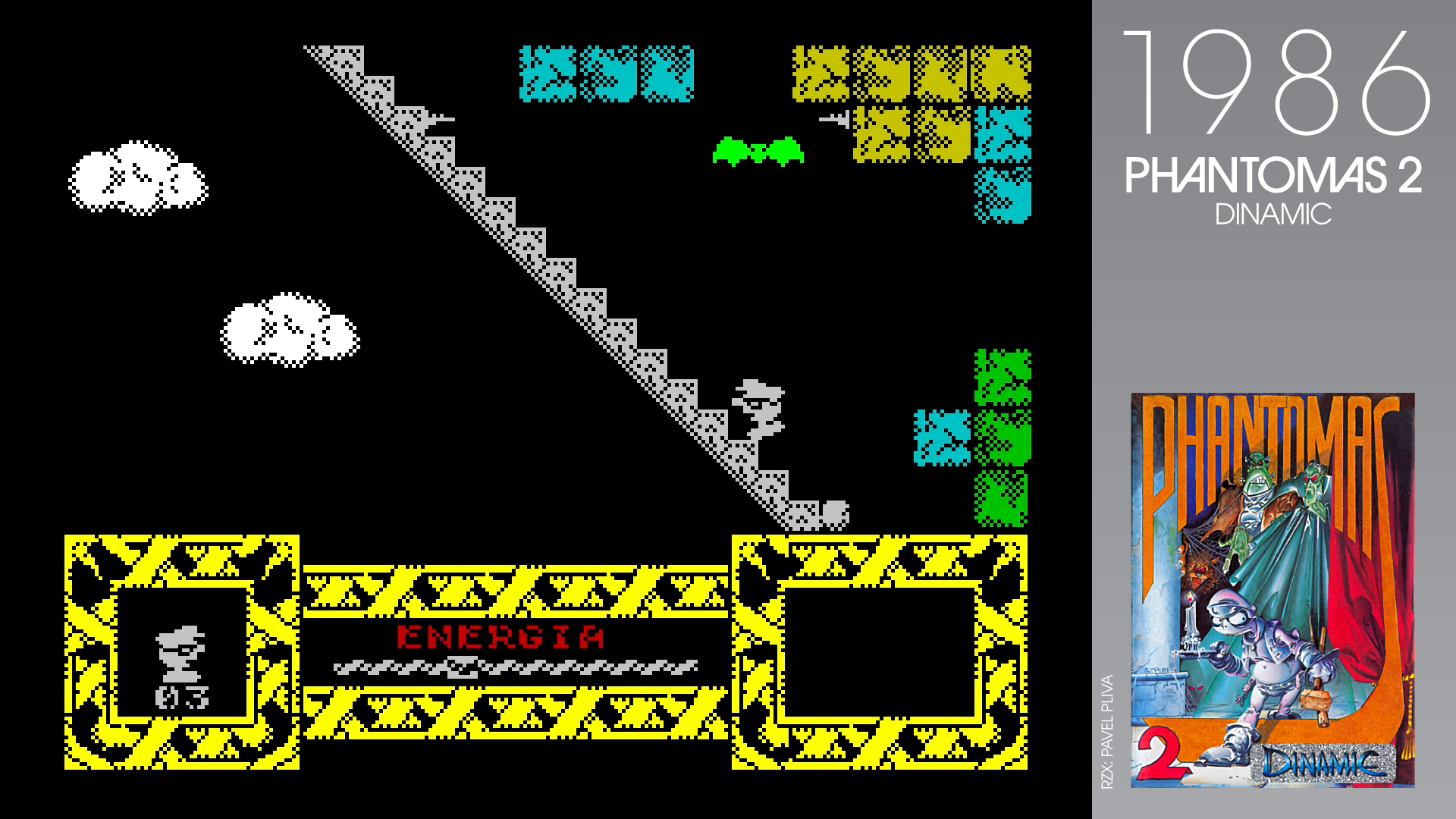
Released in Spain by Dinamic one month before Metroid, Phantomas 2 was renamed upon its release in the UK by Codemasters three months later. Vampire placed you in the role of a robotic-looking space warrior sent by a galactic federation to defeat the infamous vampire Dracula. But first you were required to explore his maze-like castle in search of the items necessary to destroy him.
If you’re an American, like me, you might be thinking: “Wait, so this was a mash-up of Castlevania and Metroid before Castlevania and Metroid? This must have blown people’s minds! What did the critics say?”
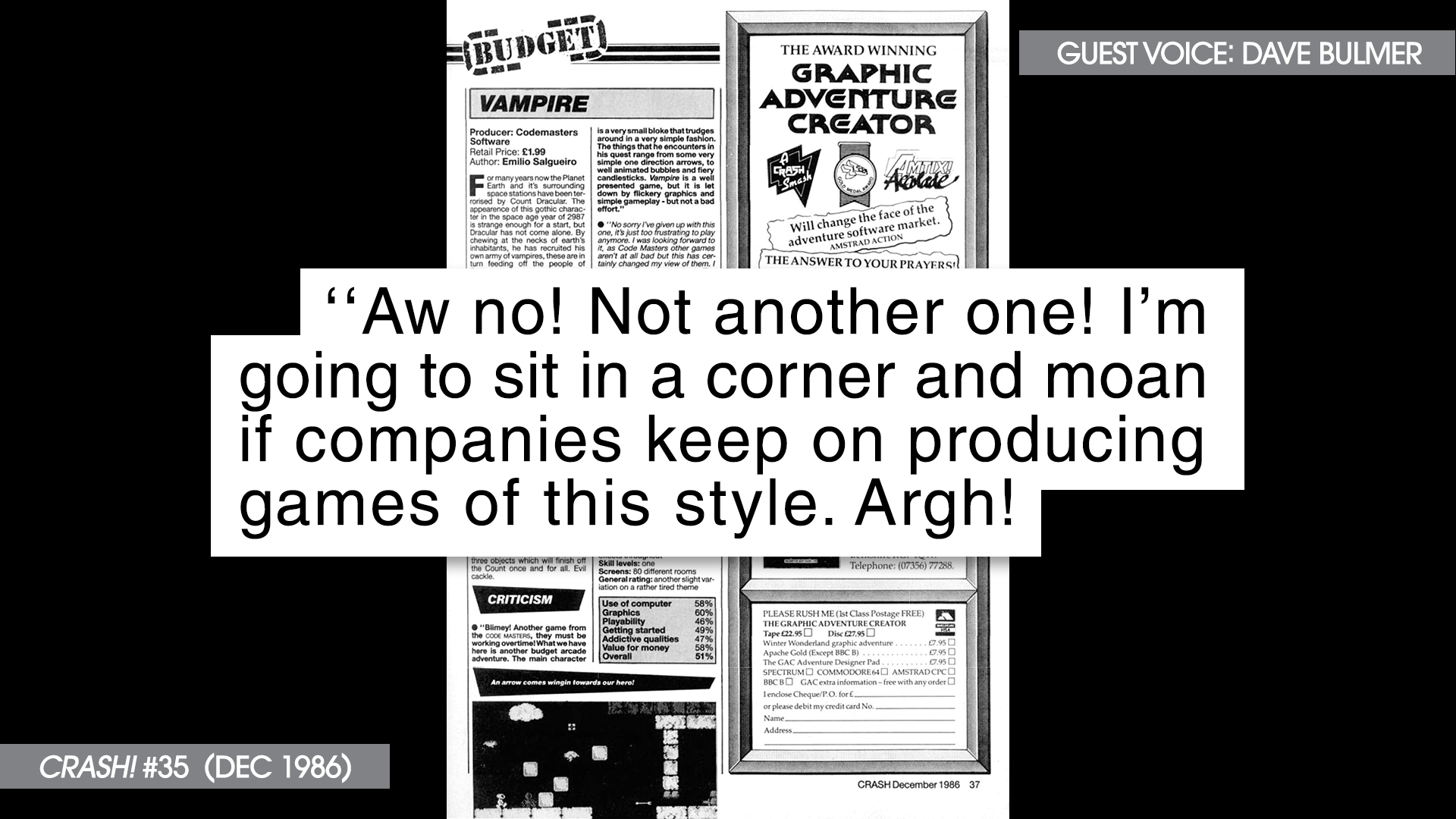
It turns out that, in comparison to North America — where platform adventures were a rare and novel concept — over in Europe players were absolutely inundated in the things.
Which is why I’m so insistent that Metroidvanias are a very specific subset of Platform Adventures. Because to claim that a massive subgenre that existed for years before Metroid is somehow composed of “Metroid-style” games is… kind of silly.
So, is Vampire a Metroidvania?
Let’s Take A Closer Look
This is a transcript of the video embedded above, which is very audio/visual heavy. I recommend watching the video for the full experience. Additional sources are listed at the bottom of this article.
Phantomas 2 was a sequel to a platform collect-em-up inspired by Jet Set Willy. Or was it a sequel? According to an interview in El Mundo Del Spectrum, both games were developed simultaneously, by high school friends Enric Cervera and Emilio Salgueiro, both just 15 years old.
When software house Dinamic put out a talent search for games to be published under its new budget label called “Future Stars,” the two of them got into a friendly competition to see who could create the best game. But Dinamic loved both games. So much so, in fact, that they decided to publish them as mainline, full-priced titles, visually enhanced by their in-house graphics team.
And because both games were platformers, Dinamic thought it would be especially clever if both games shared the same protagonist, a thief they named Phantomas — likely after the famous French serial villain. The problem is that the two games were released only one month apart, and when a sequel comes out that quickly, some people start to wonder if the second game is just warmed over leftovers.
UK publisher Codemasters effectively sidestepped this by releasing the first game pretty much as-is, and then rebranding the second game as a standalone, under the particularly inspired title of Vampire. They even went so far as to ask Dinamic to redesign the player character, who Dinamic would then adopt for its Spanish ports of the game to other platforms.
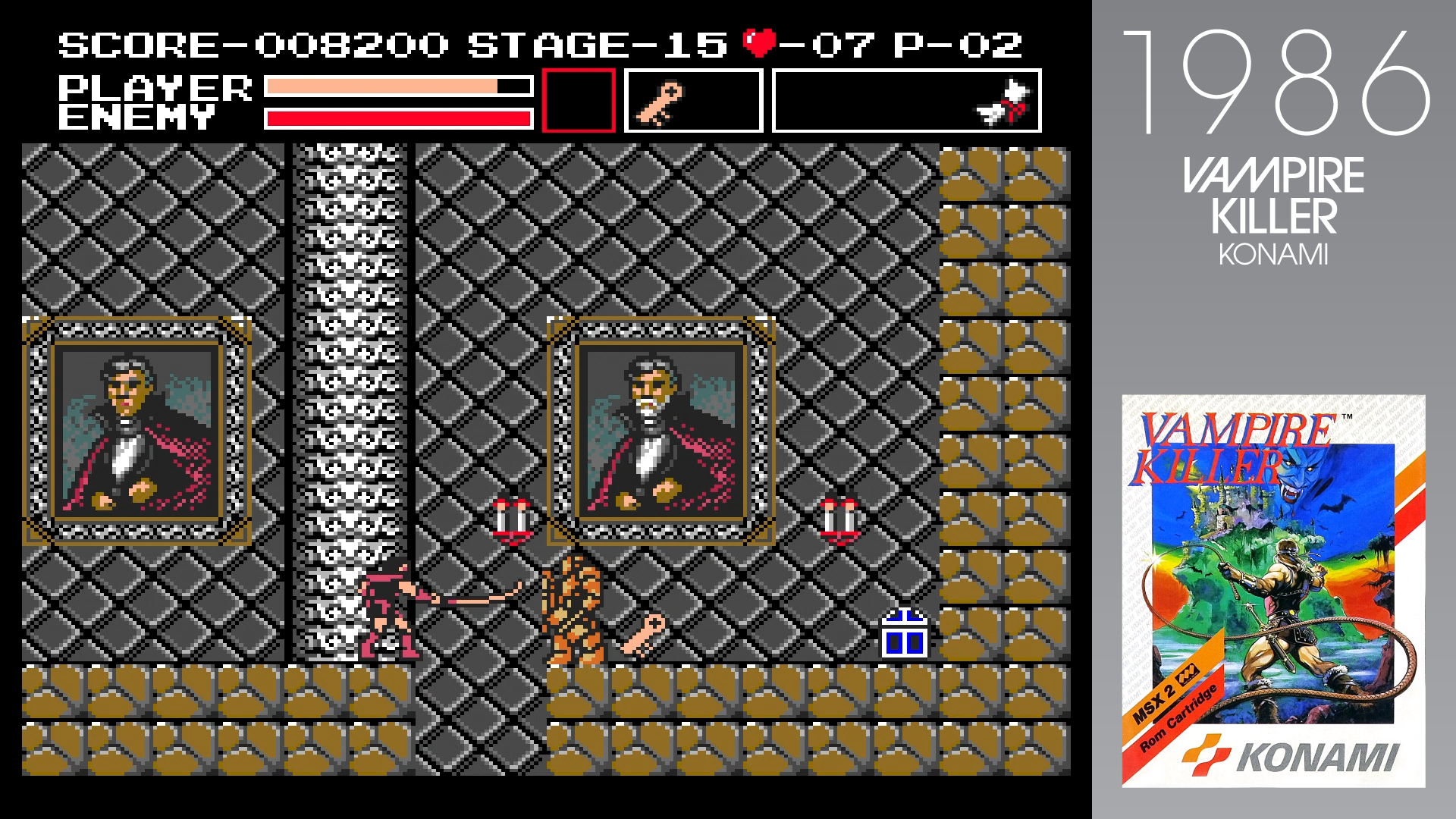
Despite the complaints from UK critics’ that the game offered little in the way of anything new, there are several elements in Vampire that were coincidentally ahead of their time. For example, Dracula’s castle is filled with giant portraits of himself, mere months before the release of Konami’s similarly titled Vampire Killer for the MSX2. Even more surprising, one of its enemy types looks like a bipedal Koopa Troopa, years before they stood up on their hind legs in Nintendo’s own Super Mario World.
But those are merely superficial coincidences. A much more significant innovation is the way that the game handled health.
In most games, losing a life results in some amount of lost progress. You die, and you have to restart at a checkpoint, or maybe even the beginning of the level. But here, as long as you still have lives remaining, you don’t actually die. Instead, your life count simply goes down by one, and you gain a newly refilled health bar. In other words, your lives essentially function as Metroid-style energy tanks. Before Metroid. Every piece of food you collect gives you one additional “tank” worth of health.
However, where the game differs from Metroid is in its complete absence of ability upgrades. Your three objectives while exploring the castle are:
1. Find all the keys.
2. Open all the window blinds.
3. And find the cross, the wooden stake, and the mallet, and then locate Dracula’s coffin so that you can… jump into it and get teleported into space, where you have a shootout against an unseen final boss.
Is Phantomas 2 a Metroidvania?
No. It is simply a platform adventure. That transforms into a shmup, I guess?
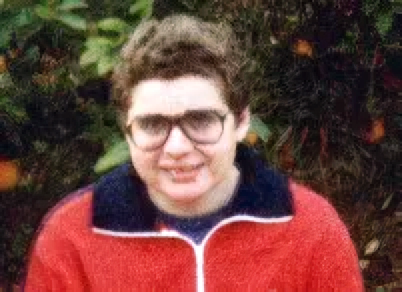
In memory of Emilio Salgueiro (1970-1996) who died tragically young 10 years after Phantomas 2 when he was hit by a car while cycling.

Sources
(Online sources are hyperlinked directly in the article.)
- Phantomas and Phantomas 2 release months estimated from announcements in weekly magazine Micro Hobby #82 (June 10, 1986) and #87 (July 21, 1986).
- Vampire release month estimated from announcement in weekly magazine Popular Computer Weekly #19 (October 2, 1986).
ADDITIONAL RESOURCES: Internet Archive, Moby Games, RZX Archive, Spectrum Computing.
SPECIAL THANKS: Dave Bulmer (DemonTomatoDave), Enric Cervera, Chris Chapman (Retrohistories), Jesús Martínez del Vas (La Historia de Dinamic), Alasdair Stuart (Bio).
MUSIC: “Arrival At The Space Colony” arranged by Luminist, “Ad Infinitum” and “10 To Midnight” by White Bat Audio.
Comments
Join the discussion for free on my Patreon page!
You Might Also Like