MetroidMania #-3: Is Cauldron II (1986) A Metroidvania?
Released in the UK by Palace Software three months before Metroid, Cauldron II was a sequel to a platform collect-em-up inspired by Jet Set Willy. But the initial seeds for the project actually grew out of an attempt to do a computer game adaptation of John Carpenter’s Halloween.
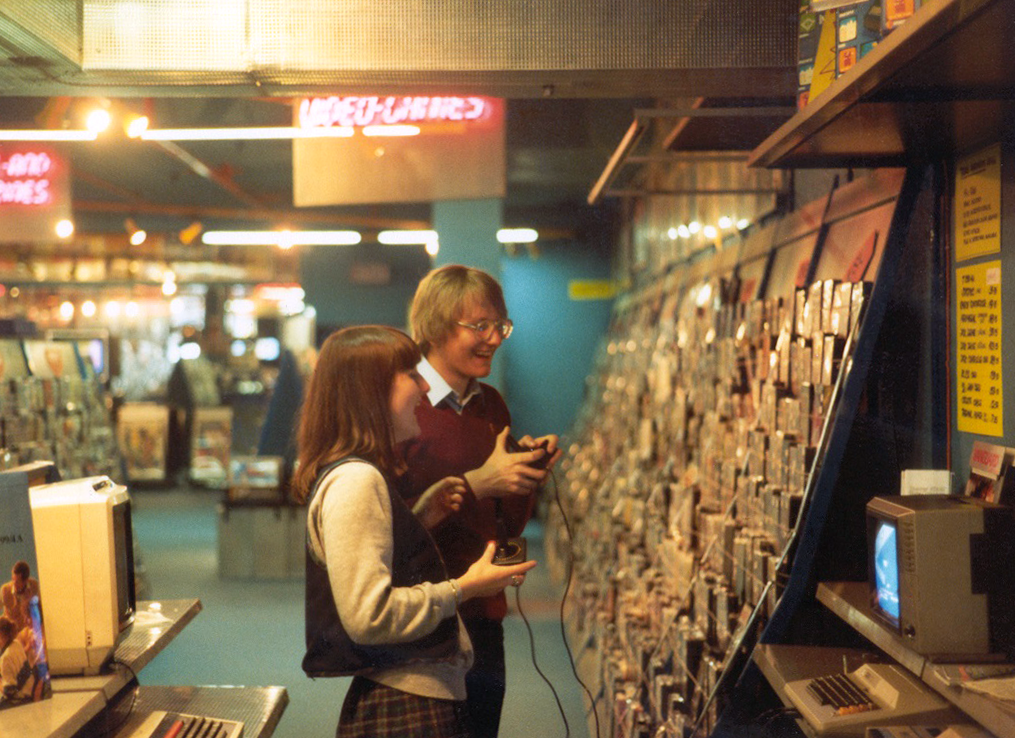
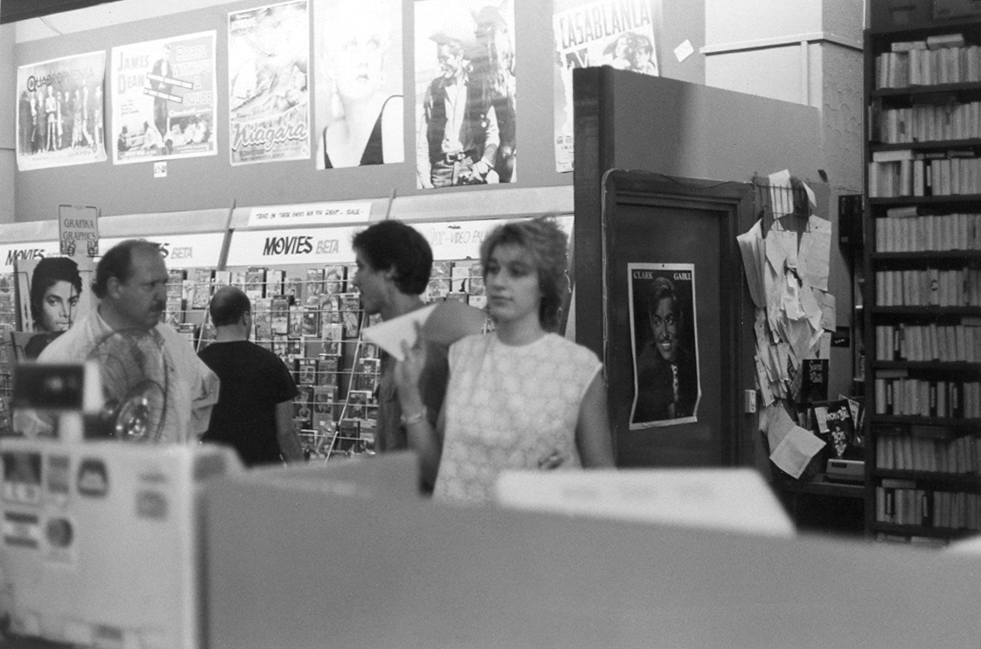
Palace Software was an offshoot of The Video Palace, a video store started by Virgin Records co-founder Nik Powell that quickly branched out into offering computer hardware and software. When the company began publishing its own VHS releases, store manager Peter Stone and employee Richard Leinfellner pushed for the company to also start publishing its own computer games.
This is a transcript of the video embedded above, which is very audio/visual heavy. I recommend watching the video for the full experience. Additional sources are listed at the bottom of this article.
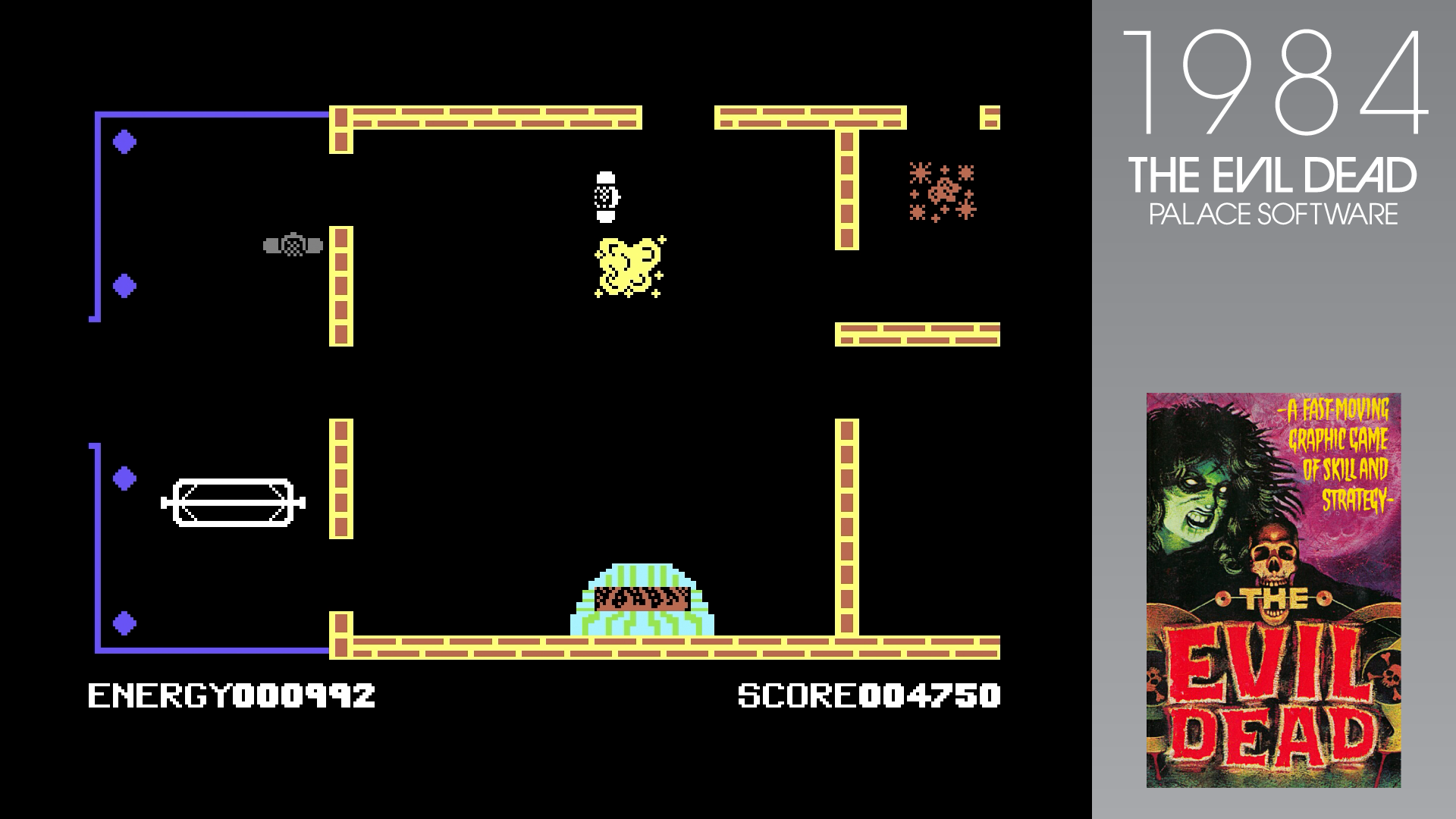
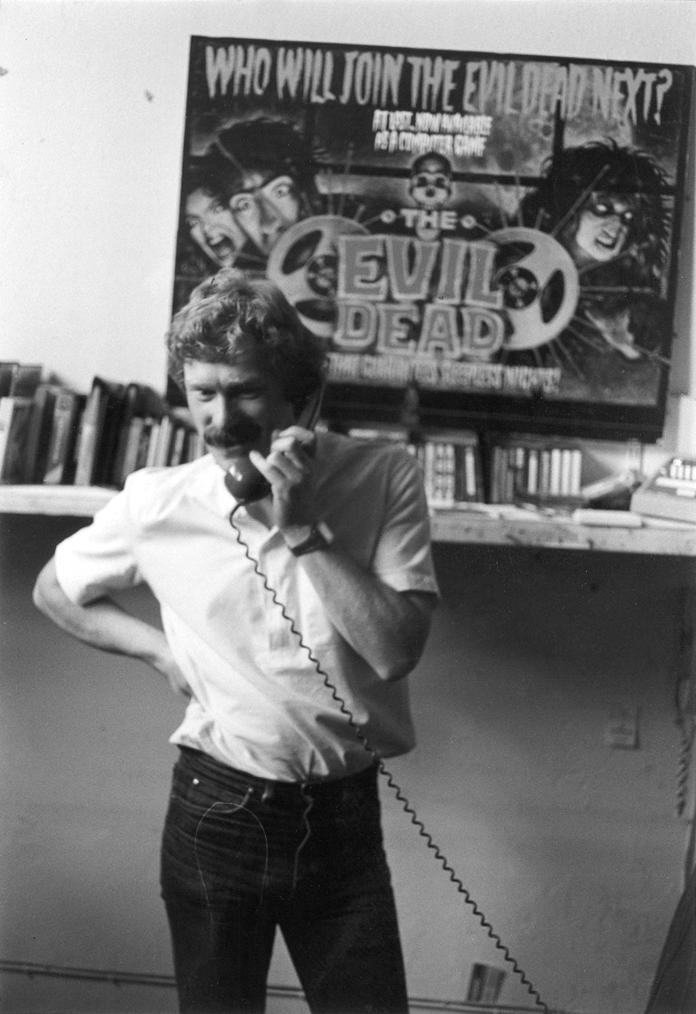
Palace Software’s first release would be an adaptation of a cult film that Palace had recently obtained the exclusive video and theatrical rights to in the UK: Sam Raimi’s The Evil Dead.
Stone teased to the press that additional movie games were on the way. But early in the development of an adaptation to Halloween, the company’s newly hired artist, Steve Brown, felt the concept wasn’t quite working. Instead, he pitched Stone a new idea based on the holiday of Halloween, recasting a neighborhood pumpkin decoration as an enemy.
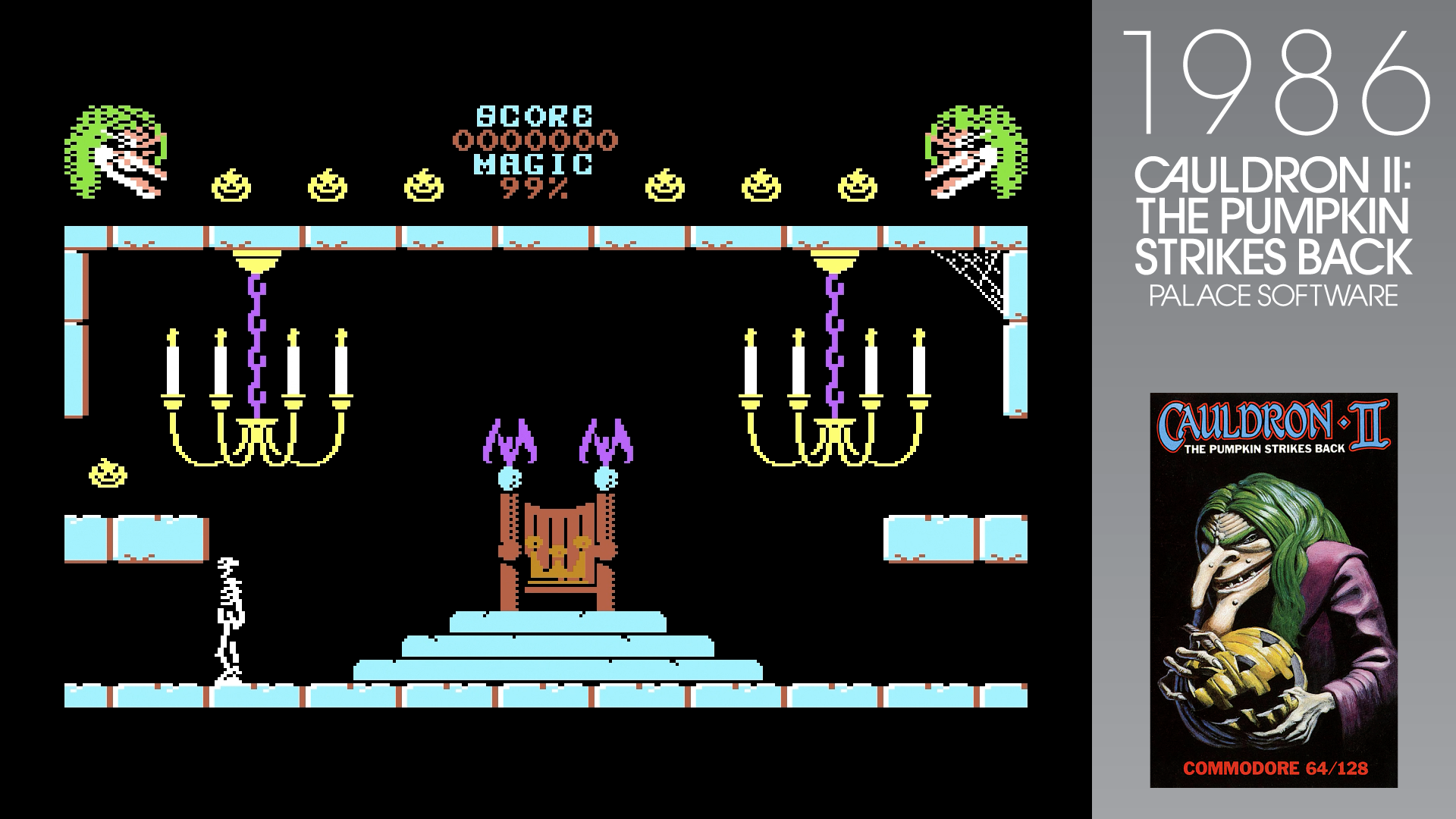
Cauldron combined elements of Jet Set Willy with Defender. And when the result was a smash hit, the team quickly followed it up with a sequel — but with a twist.
In Cauldron II: The Pumpkin Strikes Back, you play as one of the surviving pumpkins taking its revenge on the witch. But first you must explore her maze-like castle — cleverly designed in the shape of the Palace logo — for six key items. And part of the puzzle is figuring out what each item does, and in which order to obtain them.
But I’ll give you a little hint: None of these items serve a dual-purpose like in Metroid. Not even the axe, which lets you open doors, but has no effect on enemies.
Is Cauldron II a Metroidvania?
No, it is simply a platform adventure.
Photo Gallery
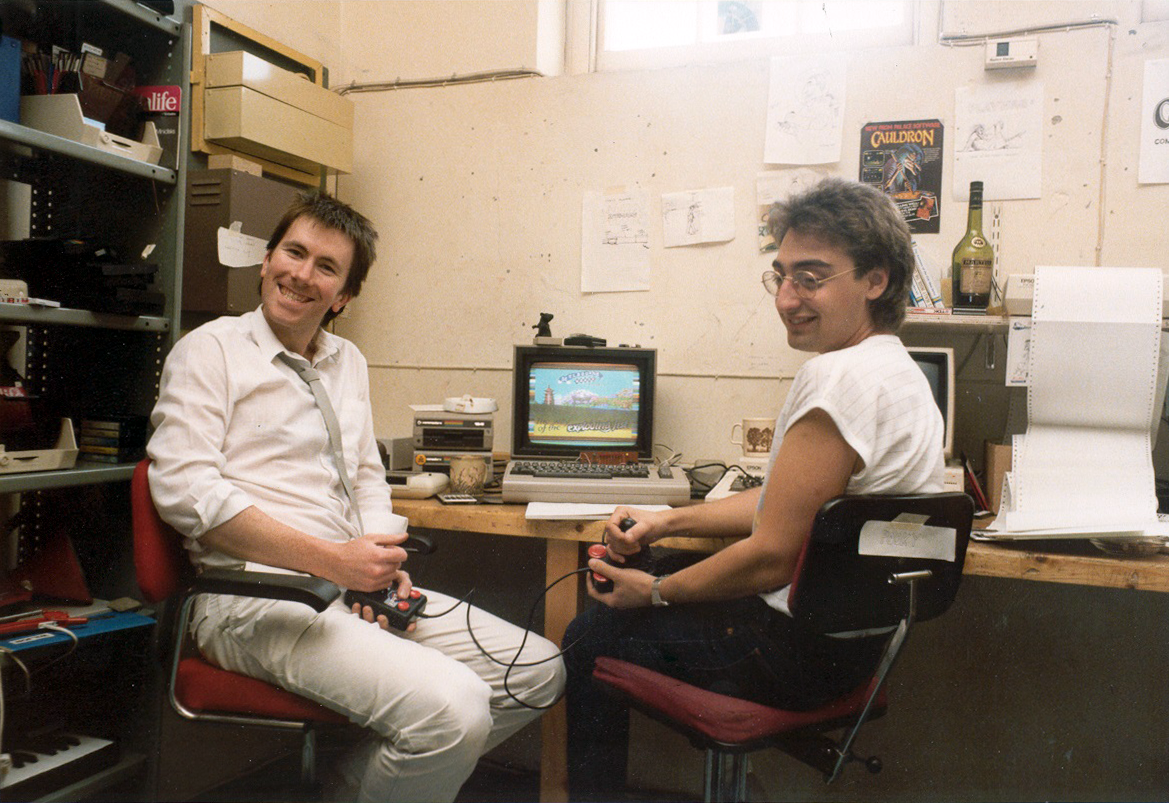
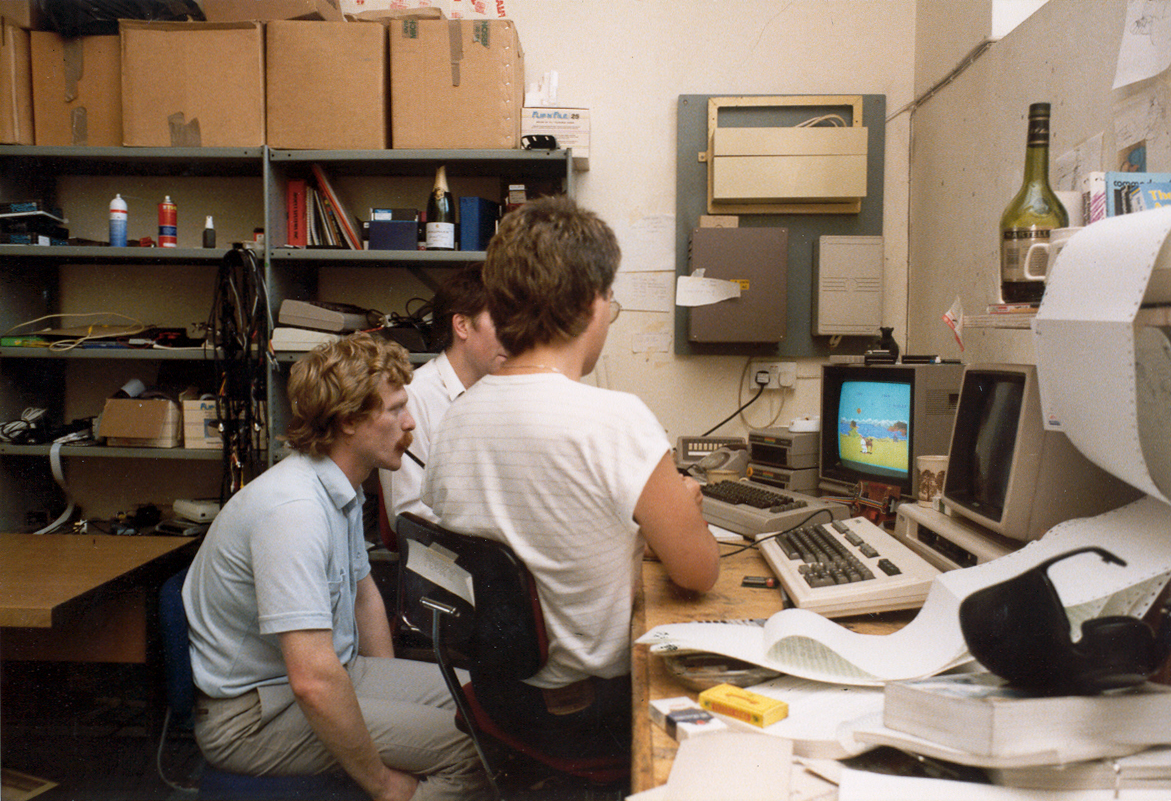
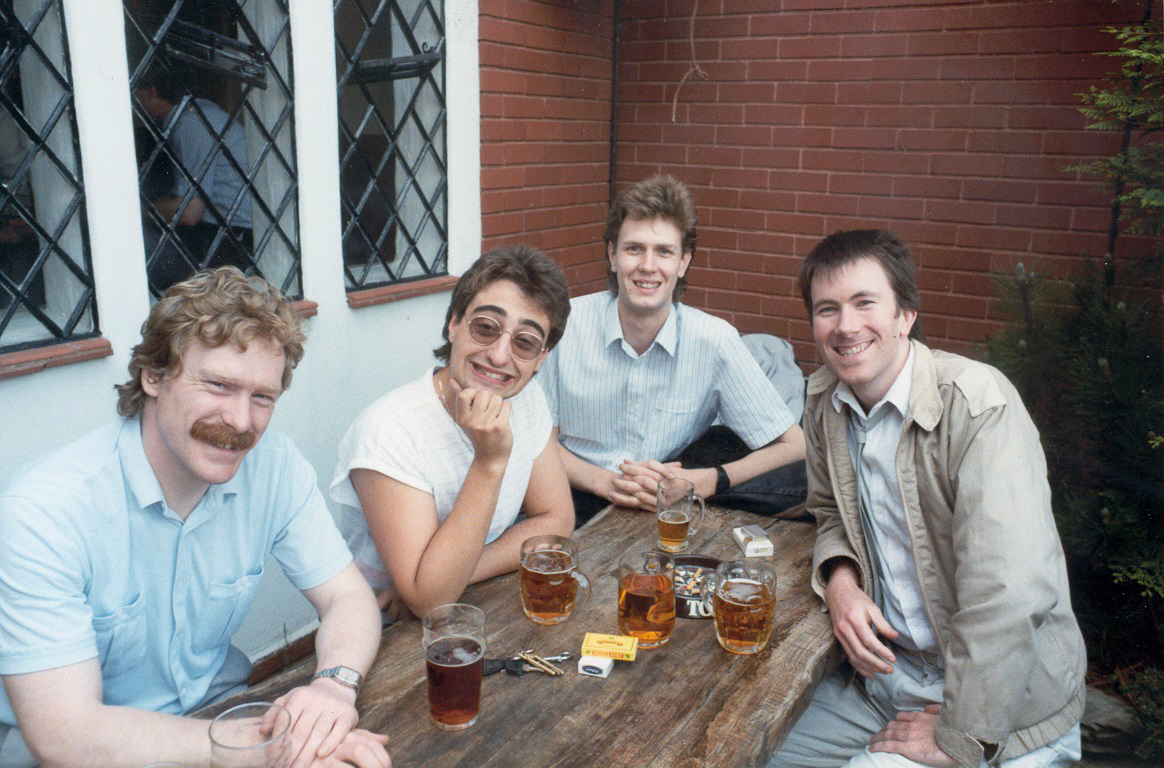
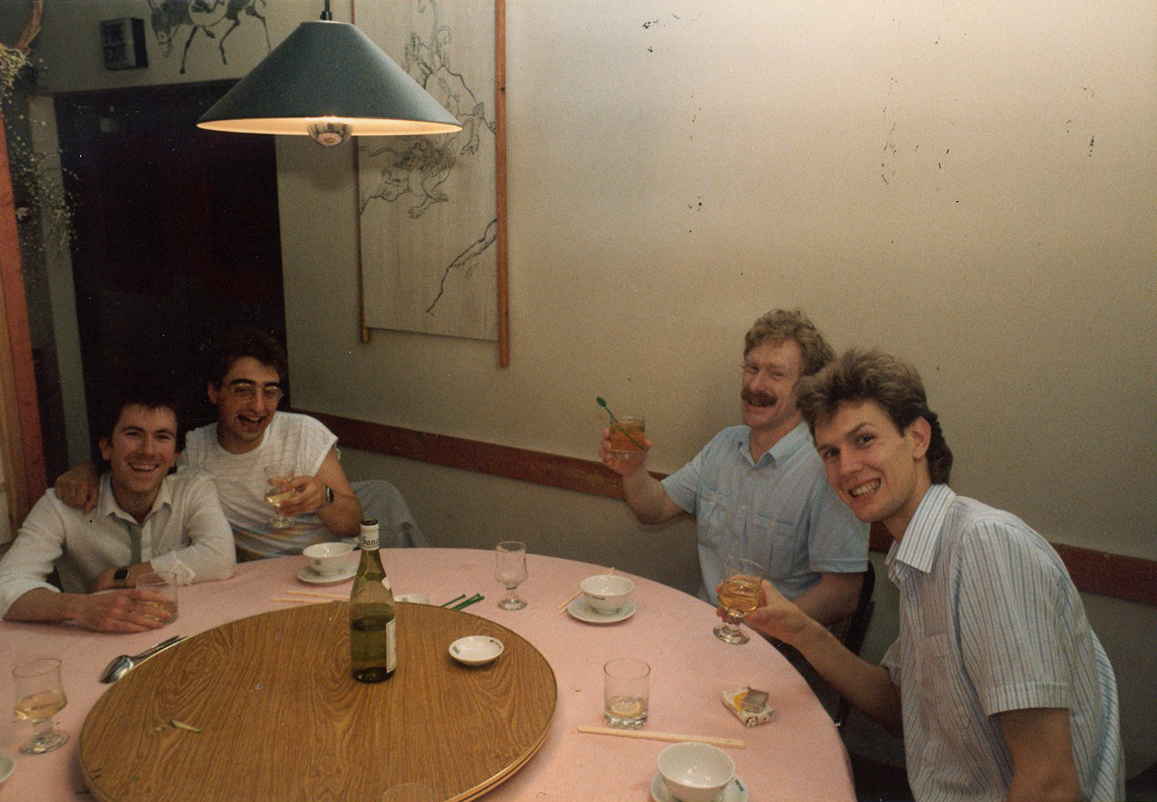
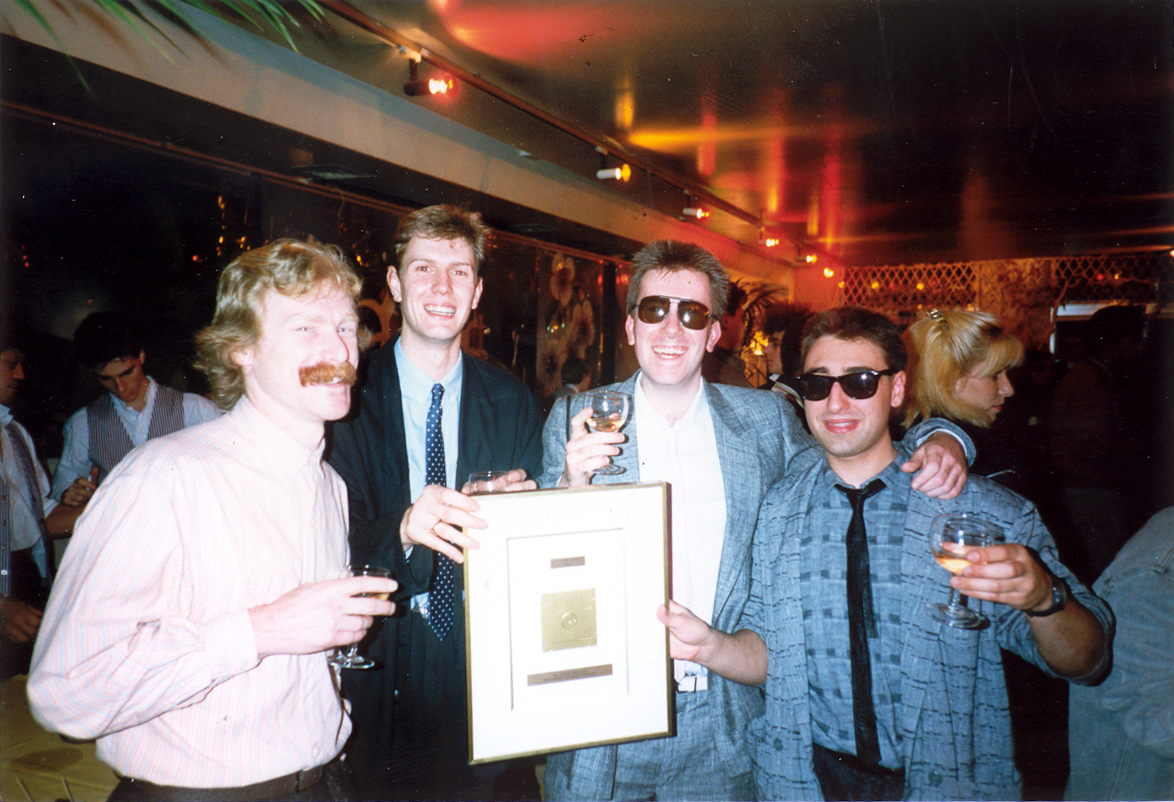
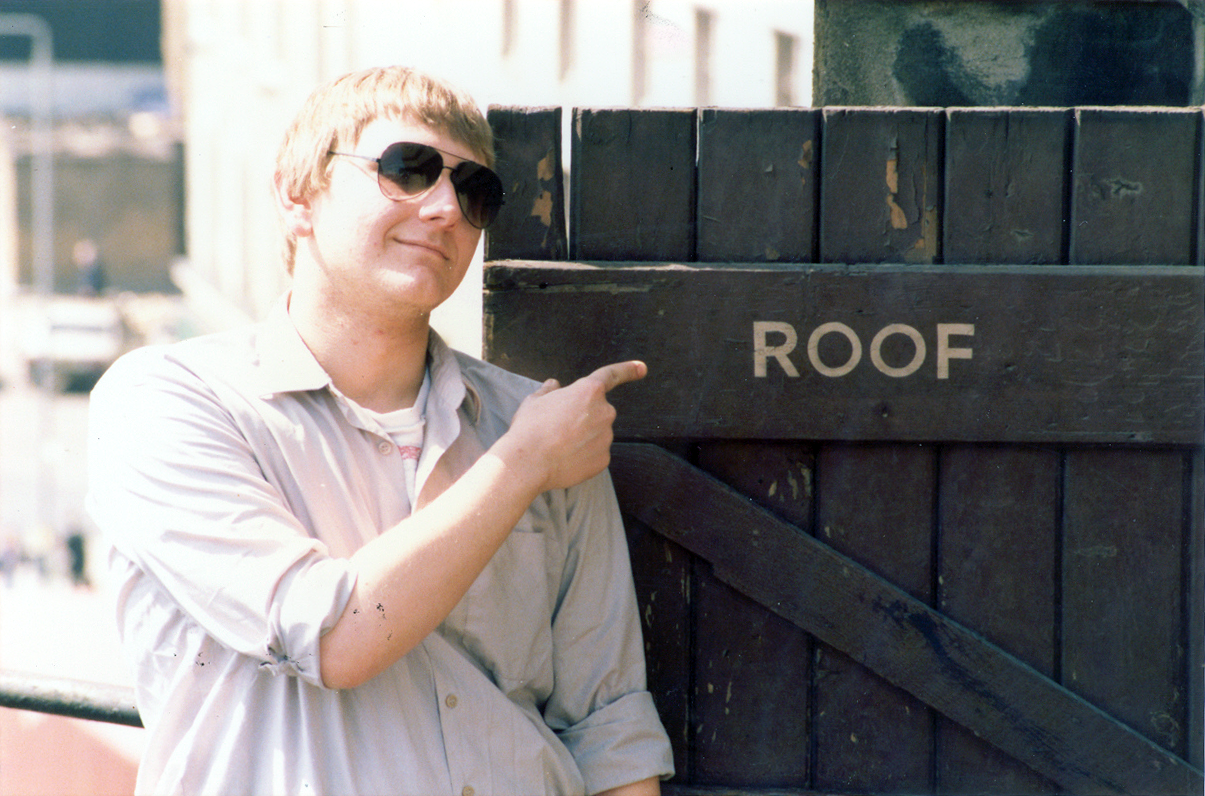
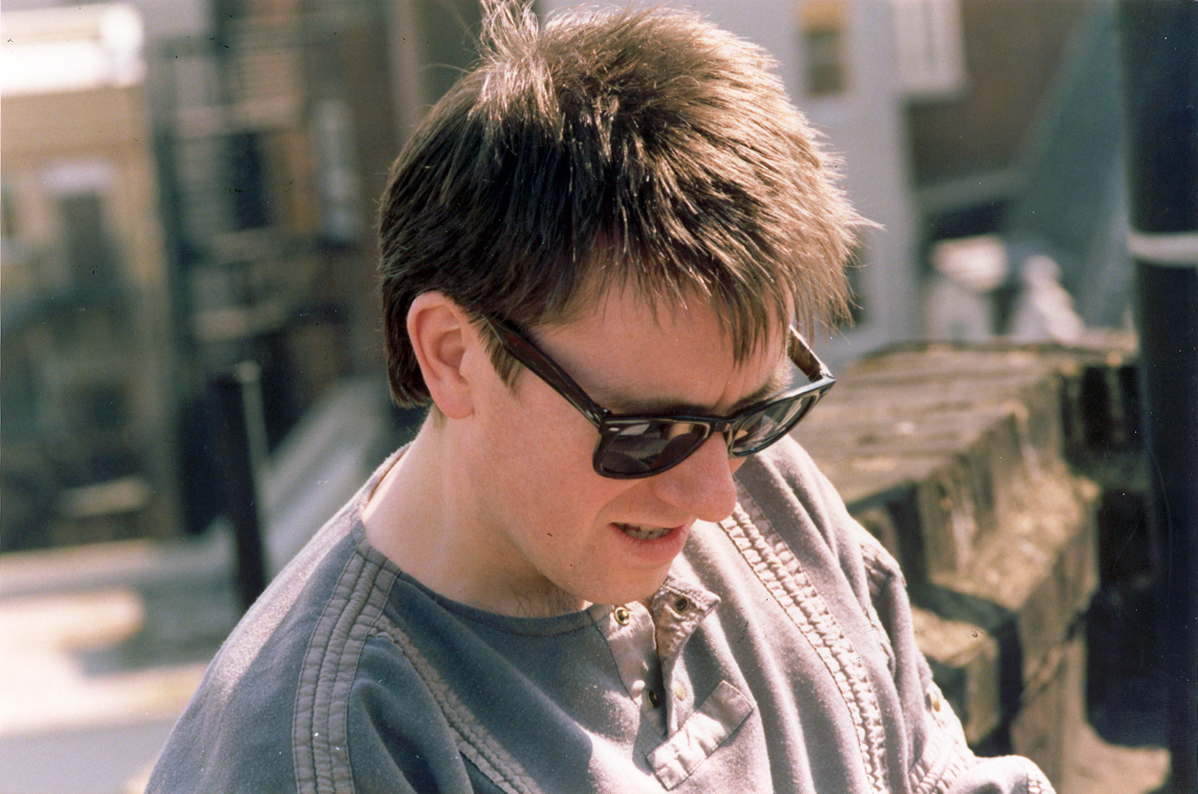
When I spoke with Richard Leinfellner, he offered to send me any photographs from the era he could find in his personal collection. How could I refuse?
Sources
- Correspondence with Richard Leinfellner (2025).
- “Company Profile: Palace Software” in Retro Gamer #23 (March 30, 2006).
- “Cauldron And Cauldron II” in Retro Gamer #35 (March 1, 2007).
- Release Date: Popular Computer Weekly Vol. 5 No. 13 (March 27, 1986) stated Cauldron II would be released on May 23, 1986, and the game entered Popular Computer Weekly‘s Top Twenty at #7 in Vol. 5 No. 23 (June 5, 1986).
- “Changing Media At The Palace” in Commodore Horizons #7 (July 1984).
- “Haunted Palace” in Commodore Horizons #16 (April 1985).
- Film, Video And Television by Graham Wade (1985).
- “Popping Into The Palace Art Gallery” in Crash #27 (April 1986).
- Cauldron II map by Howard Dean in Crash #33 (December 1986).
- “The Secret Of Success” in Amstrad Computer User #37 (December 1987).
(Online sources are hyperlinked directly in the article.)
ADDITIONAL RESOURCES: Internet Archive, Moby Games, Spectrum Computing.
MUSIC: “Arrival At The Space Colony” arranged by Luminist, “Cauldron Theme” by Keith Miller and “Cauldron II Theme” by Richard Joseph.
Comments
Join the discussion for free on my Patreon page!
You Might Also Like